
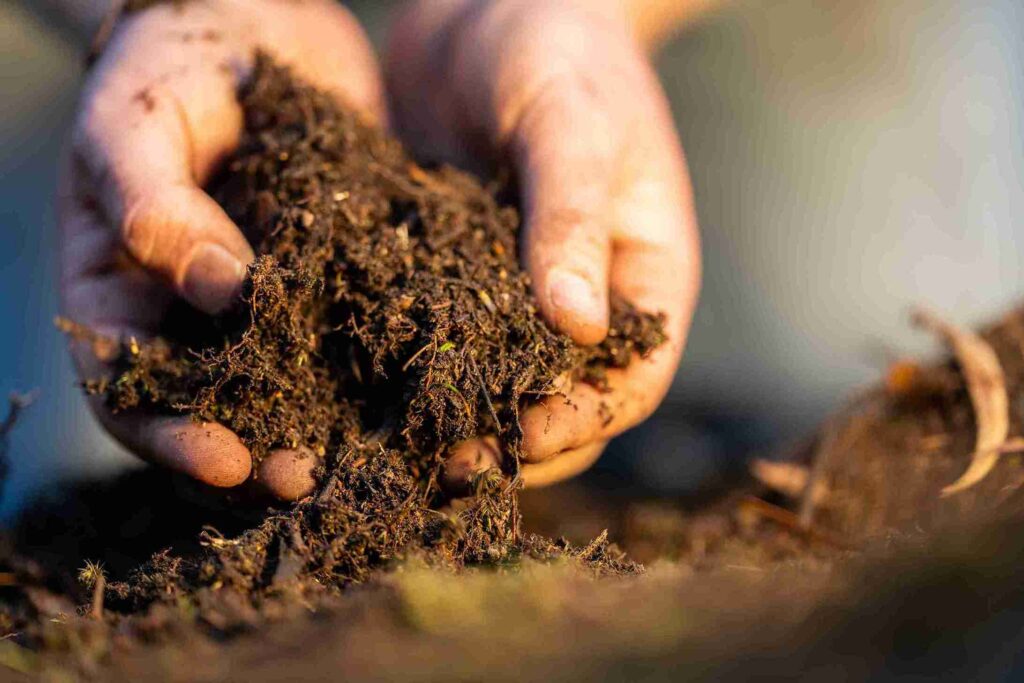
Soil health is the foundation of every healthy ecosystem. However, it is often overlooked when people consider landscapes. In Colorado, where dry conditions, compacted soils, and temperature extremes are common, soil health plays a major role in how ecosystems function. Understanding why soil health is important helps explain why some landscapes thrive while others struggle, even with regular watering and maintenance.
At Westside Grounds, soil health has been part of our daily work for over 25 years. Our specialized, uniformed crews work with residential and commercial properties that face common soil challenges in Colorado. Using well-maintained equipment and service-specific teams, we assess soil conditions as part of our lawn care, landscape installation, irrigation, and long-term maintenance projects.
This article explains what soil health is, the importance of soil health for Colorado ecosystems, and whether professional landscaping is necessary.
What Is Soil Health?
Soil health refers to the ability of soil to function as a living system. Healthy soil supports plant growth and sustains the organisms that keep ecosystems stable over time. Rather than acting as a passive surface, healthy soil actively supports the systems that allow landscapes and ecosystems to function.
Healthy soil is composed of minerals, organic matter, air, water, and living organisms that work together. These components create a soil structure that allows roots to grow deeper, access nutrients, and absorb moisture efficiently.
What Is the Importance of Soil Health for Ecosystems in Colorado?
In Colorado’s climate, where drought and temperature swings are common, soil health plays a crucial role in determining how well plants tolerate environmental stress.
Soil Health Supports Water Absorption and Retention
Healthy soil allows water to soak into the ground rather than running off the surface. This improves moisture availability for plant roots, reduces erosion, and limits sediment entering nearby waterways.
In Colorado, where rainfall is limited and irrigation efficiency is crucial, soil health significantly impacts how effectively landscapes use available water.
Healthy Soil Improves Nutrient Cycling
Soil organisms break down organic material and convert nutrients into forms plants can absorb. This natural nutrient cycling supports stronger root systems and more consistent plant growth.
When soil health declines, nutrients are often lost through runoff or become unavailable due to soil compaction, reducing plant diversity and ecosystem stability.
How Soil Health Supports Native Plants and Biodiversity
Healthy soil supports native plants by maintaining the structure and nutrient balance that those species evolved to grow in.
When native plants are able to establish and persist, they support biodiversity by providing food and habitat for pollinators, birds, and other wildlife that depend on them. Strong native plant systems help maintain ecological relationships that contribute to healthier, more balanced ecosystems across Colorado.
Healthy Soil Encourages Deep Root Development
Native plants rely on deep, well-developed root systems to survive Colorado’s dry conditions. A healthy soil structure enables roots to penetrate deeper, access moisture, and remain stable during droughts and temperature extremes. Compacted or degraded soil limits this growth and weakens native plant communities.
Soil Health Supports Beneficial Soil Life and Pollinators
Healthy soil supports a diverse array of microorganisms, fungi, insects, and other organisms that form the foundation of the food web. These organisms enhance nutrient availability and soil structure, while supporting pollinators and wildlife that rely on native plant systems. Strong soil health helps sustain these interconnected relationships.
Strong Soil Systems Increase Ecosystem Resilience
Soil life, plant roots, and soil structure work together to stabilize ecosystems over time. Healthy soil helps ecosystems recover from drought, temperature fluctuations, and physical disturbances without relying heavily on chemical treatments or excessive watering. This resilience is a key reason why soil health is important for maintaining balanced ecosystems across Colorado.
Should I Hire a Professional Landscaping Company?
Improving and maintaining soil health requires consistent, informed care that goes beyond surface treatments. A professional landscaping company can address soil conditions as part of a comprehensive long-term plan, rather than reacting to visible problems after they have developed.
A landscaping company can support soil health by:
- Evaluating soil conditions. Professionals assess soil structure, compaction, drainage, and nutrient balance to identify underlying issues affecting plant growth.
- Reducing soil compaction. Techniques such as aeration relieve compacted soil and restore airflow below the surface. This allows water and nutrients to reach roots more effectively and supports deeper root growth.
- Managing organic matter. Adding and maintaining organic material supports soil biology and improves moisture retention.
- Improving water efficiency. Irrigation systems are adjusted to match soil conditions, preventing overwatering and runoff. Efficient watering protects soil structure while reducing unnecessary water use.
- Matching plants to soil conditions. Selecting plants that are compatible with existing soil reduces stress and improves establishment. This approach supports healthier landscapes with lower long-term maintenance demands.
- Planning for long-term soil health. Ongoing maintenance focuses on preserving the soil’s structure and biology over time. This prevents recurring issues and supports more stable, resilient landscapes.
At Westside Grounds, we apply these practices across residential and commercial properties. By treating soil health as a long-term priority, we help landscapes perform better and remain sustainable in Colorado’s challenging conditions.
Supporting Soil Health Across Colorado With Westside Grounds
Soil health is the foundation of strong ecosystems and successful landscapes, especially in Colorado’s challenging climate. Healthy soil supports efficient water use, promotes stronger plant growth, and enhances outdoor spaces that are better equipped to withstand temperature fluctuations and long-term wear.
When soil health is addressed intentionally, landscapes are more stable and require fewer corrective measures over time.
At Westside Grounds, we approach soil health as part of the broader landscape performance picture. Our team works across residential and commercial properties, addressing soil conditions through lawn care, landscape installation, irrigation, and ongoing maintenance. By paying close attention to soil structure, drainage, and long-term sustainability, we help create landscapes that support healthier ecosystems across Colorado.
If your landscape is struggling or you want to build a more resilient outdoor space, Westside Grounds is ready to help. Our team can evaluate your property and recommend solutions that support soil health from the ground up.