
Patio Contractor in Denver & Lakewood
Contact us today for your free quote:
Phone: 303-800-8263 | Email:service@wsgrounds.com | Online Contact Form
Some backyards have plenty of space, but nowhere comfortable to sit down for dinner. Others have a patio that feels cramped, worn, or disconnected from the house. A patio contractor in Denver can turn that underused space into a patio worth inviting friends over for, with room to pull up extra chairs and linger after dinner.
Locally owned and operated in Lakewood since 1999, Westside Grounds brings over 25 years of landscaping experience to your project. We help you compare materials, plan useful features, and build a patio suited to your property.
Contact our team for a free quote on your Denver or Lakewood patio.
Patio Contractor Services in Denver & Lakewood
What we do: Patio contractors design and build custom outdoor living spaces, including patios, fire pits, seating areas, and entertainment spaces.
Custom patio installation: Projects can include paver patios, concrete patios, natural stone, outdoor kitchens, lighting, and covered patio structures.
Design + build process: A professional contractor handles planning, grading, drainage, material selection, and full construction to ensure long-term durability.
Benefits: A professionally built patio increases property value, improves outdoor usability, and creates a functional space for entertaining and relaxing.
Local expertise matters: Denver and Lakewood climates require proper drainage, grading, and materials to handle freeze-thaw cycles and soil movement.
What Patio Materials Can You Choose From?
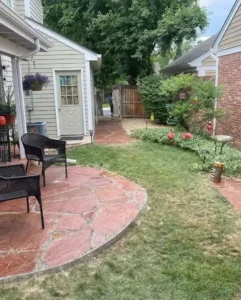
Your main options include poured concrete and individual pavers made from concrete, brick, or natural stone. Here is how they compare:
- Plain poured concrete. This option offers a clean, simple appearance at a generally lower installation cost. A basic finish can free up more of your budget for lighting, shade, or other patio features.
- Pavers. These individual pieces come in concrete, fired clay brick, and natural stone. Unlike a continuous poured slab, a paver surface allows individual units to be removed and replaced when repairs are needed.
For Denver and Lakewood patios, material selection also needs to account for freezing temperatures and seasonal moisture. We can help you compare options that suit your preferred look, budget, and local conditions.
Why Are Pavers a Premium Choice for Denver Homes?
Properly installed pavers combine a tailored appearance with a surface that can accommodate minor ground movement and localized repairs. We offer paver installation in Denver that homeowners can customize around their preferred style, available space, and outdoor activities.
Materials for Different Looks and Priorities
Material selection and drainage design give you several options:
- Concrete pavers. Manufactured units come in consistent sizes with finishes ranging from smooth and contemporary to weathered, stone-like textures. They offer a broad range of styles, including options that resemble brick or natural stone.
- Natural stone. Sandstone, granite, and other suitable paving stones bring natural color variations and texture. Choose stone with documented freeze-thaw suitability, since durability varies by stone type and source.
- Brick pavers. Fired clay brings warm reds, earth tones, and traditional character to patios and paths. Use paving-grade brick suited to freezing conditions rather than assuming any building brick will work.
- Permeable pavers. Usually concrete, these units have joints filled with small stones that let water enter a draining aggregate base. On slow-draining soils, an underdrain may be needed to carry collected water away.
Compare samples against your home’s exterior to judge the actual color, texture, and finish. Seeing combinations together also helps you decide whether a bold pattern will suit the space.
Patterns, Colors, and Custom Layouts
Rectangular pavers can form herringbone or basketweave patterns, while larger units create a simpler, contemporary layout. A contrasting border can outline the patio or distinguish the dining space from the fire pit area.
Warm earth tones can complement brick or stone siding, while charcoal edging gives lighter paving a stronger outline. Curves and changes in pattern can guide a walkway around planting beds while keeping the overall design connected.
Better Tolerance for Freeze-Thaw Movement
When water in the ground beneath a patio freezes, it expands and can lift sections of the patio, leaving an uneven surface. A poured concrete slab can crack under that pressure, while the small joints between pavers let individual pieces move slightly with the ground. This flexibility helps pavers withstand Colorado’s repeated freezing and thawing.
At Westside Grounds, we prepare a firmly packed base and plan for proper drainage to help your pavers withstand Colorado’s freezing and thawing. That preparation helps prevent the shifting and sinking that can leave a poorly installed patio uneven.
Individual Repairs Instead of Full Resurfacing
A damaged paver can often be replaced individually, and a settled area can be lifted, its base corrected, and the original units reinstalled. This can avoid the larger repair or resurfacing area sometimes needed with poured concrete.
Undamaged units can also be lifted and reused when buried utilities need attention.
Where Can You Use Pavers Around Your Property?
Pavers can be used from the front of your property to the backyard, whether you’re replacing a worn surface or creating a new outdoor space. Common applications include:
- Patios,
- Driveways,
- Walkways, and
- Pool decks.
We offer paver walkway installation for Denver homeowners, either as part of a patio renovation or as a separate improvement.
How Do You Maintain a Patio?
Maintaining a patio is generally simple, especially when experienced patio construction contractors are behind the installation. With routine care, your patio can stay clean, safe, and visually appealing year-round.
Dirt, leaves, and debris can accumulate over time, especially during windy conditions or seasonal changes. Sweeping your patio regularly helps prevent buildup and keeps the surface looking its best. Patios near trees, landscaping beds, or high-traffic areas may require more frequent upkeep due to falling leaves, dirt, and other organic debris.
Occasionally, you may need to wash the surface to remove stains, dust, or grime. Depending on the material, a hose or light pressure washing can restore your patio’s appearance without causing damage.
It is also important to check for any signs of wear, such as shifting pavers, small cracks, or drainage issues. Addressing these concerns early can help prevent more costly repairs later.
But you don’t have to do this alone. Westside Grounds offers maintenance services to keep your entire outdoor space in excellent condition. From lawn care to seasonal cleanups, our team can help keep your patio clean, functional, and ready for year-round enjoyment.
Paver Installation in Denver FAQs
How Long Do Pavers Last in Colorado’s Climate?
Well-installed pavers can last for several decades, including in cold climates. Actual service life depends on material quality, drainage, installation, traffic, and care. Joint maintenance or resetting a section may be needed along the way without requiring the replacement of the entire patio.
Are Pavers More Expensive Than Concrete Patios?
Pavers generally cost more to install than plain poured concrete because of the materials and labor involved. Decorative concrete can narrow that difference.
At Westside Grounds, we can walk you through the cost of both options for your yard and help you decide whether the design flexibility and easier repairs of pavers are worth the added investment.
Can Pavers Be Installed on a Slope or Hillside?
Yes, pavers can be installed on appropriately designed slopes. For a patio, grading, retaining walls, or stepped terraces may be needed to create a comfortable area with a gentle drainage slope. The design should address soil stability, runoff, and secure edges before paving begins.
What’s the Difference Between Concrete Pavers and Natural Stone?
Concrete pavers are manufactured in molds, allowing for consistent dimensions and a variety of finishes. Natural stone is quarried and cut, giving each piece variations in color and texture. Concrete offers predictable sizing, while stone appeals to homeowners who prefer the character of a naturally formed material.
Start Your Patio Walkway Installation in Denver with Westside Grounds
At Westside Grounds, our service standards include specialized crews, uniformed personnel, daily equipment maintenance, and status and quality-control reports. That organization supports the work being done at your home and pays attention to detail throughout the construction process.
Bring your ideas to our team of patio contractors in Denver. Contact Westside Grounds for a free quote, and let’s discuss the materials, layout, and features that would make your backyard more enjoyable.
References Used to Inform This Page
To ensure the accuracy and clarity of this page, we referenced the following resources during the content development process: