
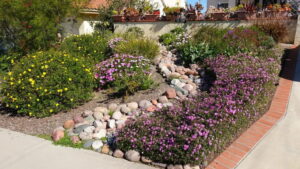
Keeping a yard green in Colorado’s dry climate is a common challenge. Drought-tolerant landscaping provides a practical solution by utilizing climate-appropriate plants to create visually appealing outdoor spaces that require less water. As drought and water rules shape landscaping statewide, finding a lasting approach is essential.
Since 1999, Westside Grounds has helped homeowners and businesses tackle this issue. Our team is familiar with Colorado’s unique climate, soils, and seasons, leveraging this expertise to design drought-tolerant landscapes that strike a balance between sustainability and curb appeal. By utilizing low-water plants and drought-resistant techniques, we offer reliable, greener solutions that reduce water usage and maintenance requirements.
This article explores landscaping ideas for Colorado yards, including drought-tolerant plants and design strategies that support healthy, attractive outdoor spaces with reduced water usage.
Drought-Tolerant Landscaping in Colorado at a Glance
- Reduce water usage: drought-tolerant landscaping helps Colorado homeowners conserve water while maintaining curb appeal.
- Lower maintenance needs: low-water plants, mulch, rock features, and efficient irrigation can reduce ongoing yard upkeep.
- Choose Colorado-friendly plants: drought-resistant flowers, shrubs, grasses, and ground covers are better suited for Colorado’s dry climate.
- Improve long-term resilience: a well-designed low-water landscape can handle hot weather, dry conditions, and changing seasonal demands.
- Create a custom outdoor space: professional design can combine plants, rock, mulch, irrigation, and layout choices into a beautiful, functional landscape.
What Makes a Plant Drought Tolerant?
A plant is considered drought-tolerant when it can remain healthy and attractive with limited supplemental water. In Colorado landscapes, this resilience is critical due to low annual rainfall, intense sunlight, temperature fluctuations, and variable soil conditions. Rather than relying on frequent irrigation, drought-tolerant plants can survive periods of dryness without declining in appearance or structure.
Many low-water plants develop deep or extensive root systems, enabling them to reach moisture stored deeper in the soil. Others reduce water loss through smaller leaves, waxy coatings, or fine foliage that limits evaporation. These traits help plants conserve moisture during hot summers and extended dry spells, making them well-suited for drought-resistant landscaping.
Another key factor is adaptability. Plants that perform well in drought-tolerant landscaping are often native or regionally adapted, meaning they evolved to handle Colorado’s climate extremes. Once properly planted and established, these plants typically require less maintenance, fewer resources, and more consistent performance throughout the growing season.
Knowing these traits helps create a drought-tolerant landscape that looks lush and intentional, not sparse or stressed.
How Do I Design a Greener Landscape with Low Water Plants?
Achieving a full, inviting landscape with less water takes more than changing plants. Successful drought-resistant landscaping relies on smart design that supports plant health, minimizes waste, and yields long-term benefits. Intentional placement and layout help keep landscapes greener with less irrigation.
Several design strategies play a key role in making the landscaping both functional and visually cohesive:
- Zoning by water needs. Grouping plants with similar water requirements helps prevent overwatering and ensures each area of the landscape receives the right amount of moisture. This approach improves plant health and simplifies irrigation management.
- Replacing high-water turf strategically. Reducing traditional lawn areas by incorporating planting beds, ground covers, or hardscaping lowers overall water use while adding visual texture and definition to the landscape.
- Using mulch and ground cover effectively. Mulch and low-growing plants help retain soil moisture, regulate temperature, and limit evaporation, all while improving soil health and giving the landscape a clean, finished appearance.
- Incorporating hardscaping for balance. Walkways, patios, and stone accents break up planting areas, reduce irrigation demands, and make the outdoor space more functional and usable.
When these elements combine, low-water plants thrive, giving Colorado yards a greener look with less irrigation and maintenance.
What Are Common Mistakes That Undermine Drought-Resistant Landscaping?
Drought-resistant landscapes save water and last longer, but details matter. In Colorado, climate and soils require careful planning. Avoiding common errors helps these landscapes thrive and remain visually appealing.
Several issues frequently undermine otherwise solid drought-tolerant landscaping designs:
- Overwatering drought-tolerant plants. Many low-water plants can be damaged by excessive moisture, which can lead to shallow roots, disease, and poor growth. These plants typically perform best with less frequent, deeper watering once established.
- Mixing incompatible plant types. Combining plants with vastly different water or sun requirements forces the entire area to be watered to the highest need, reducing efficiency and stressing drought-tolerant species.
- Poor soil prevents root growth and water absorption. Without proper grading and amendments, even drought-resistant landscaping may struggle.
- Choosing plants based on aesthetics only. Selecting plants without considering their water requirements or long-term maintenance needs often increases water use and results in uneven, inconsistent performance across the landscape.
Addressing these issues early helps drought-tolerant landscaping remain attractive, efficient, and well-suited for the Colorado climate.
How Does Professional Landscaping Help Drought-Tolerant Landscapes?
Drought-tolerant landscapes succeed when tailored to Colorado’s unique conditions. Experienced teams bring clarity by seeing drought-tolerant landscaping as a system, not just a group of plants. This approach supports healthier growth, efficient water use, and consistent long-term results.
Key areas where professional landscaping makes a difference include:
- Site evaluation and plant selection. Matching plants to the property’s soil, sun exposure, and microclimates improves establishment and reduces ongoing water demands.
- Proper spacing and soil preparation. Thoughtful spacing and correctly prepared soil encourage deeper root systems and stronger plant performance in dry conditions.
- Efficient irrigation planning. Well-designed watering zones prevent overwatering and ensure drought-resistant landscaping receives moisture where it is actually needed.
- Long-term performance and maintenance planning. Professional landscapers design drought-tolerant landscapes with growth patterns and seasonal changes in mind, helping plants mature properly and reducing the need for ongoing corrections or excessive maintenance.
Professionals also prevent problems such as poor grading, inefficient layouts, and plant combinations that compete for resources. By avoiding these issues, you support greener landscaping goals and create balanced and lasting landscapes.
Professional Drought-Tolerant Landscaping in Colorado
Greener landscaping does not require excessive watering or constant upkeep. With the right plant selection, an innovative design, and an understanding of Colorado’s climate, drought-tolerant landscaping can deliver outdoor spaces that look healthy, intentional, and built to last.
At Westside Grounds, we help property owners turn these ideas into landscapes that actually perform in real-world conditions. Our team takes the time to evaluate each property’s soil, sun exposure, and layout to design drought-tolerant landscapes that make sense for the space and its underlying goal.
A sustainable, green outdoor space starts with informed choices and experienced guidance. For property owners ready to transition to a more efficient and resilient landscape, contact Westside Grounds to bring that vision to life.