
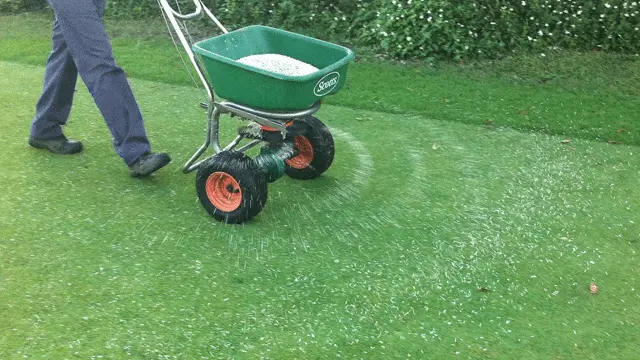
Knowing when to fertilize the lawn can be the difference between a patchy yard and one that feels healthy and welcoming. Colorado’s shifting seasons make timing especially important, and it’s common to feel unsure about the proper schedule.
Westside Grounds has been caring for Colorado lawns since 1999. We understand the local climate and grass types, and we’ve developed fertilizing plans that help lawns stay resilient year-round. This guide explains the best times and methods to fertilize so you can confidently protect your grass and enjoy a greener yard.
Key Takeaways
Timing Your Colorado Lawn Fertilizer Schedule Right
The best time to fertilize your lawn in Colorado is early spring, late spring, early fall, and late fall, timed to when cool-season grass is actively growing. Below is what matters most, from grass type to the full seasonal schedule.
- Feed when grass is actively growing: fertilizing a dormant lawn wastes product and can damage turf, so wait for green shoots before the first application.
- Know your grass type: most Colorado lawns are cool-season grasses like Kentucky bluegrass and perennial ryegrass, which need two to four feedings a year in spring and fall.
- Follow a seasonal schedule: for cool-season lawns, feed in early spring, late spring, early fall, and late fall to build strong roots before summer heat and winter cold.
- Avoid the common mistakes: fertilizing too early, overapplying, skipping the light watering after application, or missing the fall feeding all reduce results and waste money.
When Is the Best Time to Fertilize Your Lawn in Colorado?
Fertilizer works best when the grass is actively growing. Applying fertilizer while the lawn is dormant wastes product and can even damage the turf.
Colorado’s weather makes timing especially important. The combination of dry air, bright sun, and sudden cold snaps stresses grass. Fertilizing at the right time strengthens roots before stressful periods and stores nutrients for winter.
Well-timed applications also save money and reduce environmental impact. When fertilizer goes down at the wrong time, rain or melting snow can wash it away before plants absorb it. Applying during the proper growth stages gives you better color, thicker grass, and fewer weeds with less waste.
Lawn Fertilizer Schedule Based on Your Grass Type
Before you fertilize your lawn, it helps to know exactly what kind of grass you’re working with. Grass varieties grow at different times of the year, directly affecting when you should fertilize your lawn.
Most Colorado lawns contain cool-season grasses like Kentucky bluegrass and perennial ryegrass. These grasses grow most in the cooler months of spring and fall. They slow down in the heat of summer and go dormant or semi-dormant in winter. Because of that cycle, cool-season grasses benefit from two to four feedings a year: once or twice in spring to encourage growth after winter, and once or twice in fall to build strong roots for the coming cold.
Warm-season grasses such as Bermuda or zoysia are less common in Colorado but have a very different growth pattern. They grow later in spring, peak in summer, and slow down as nights cool in fall. Fertilizing these grasses early in spring won’t help because they’re not actively growing yet. Instead, the first application should happen once the grass is fully green, followed by light feedings during the summer growing season.
Knowing your grass type takes the guesswork out of timing. It helps you match fertilizer to your lawn’s natural rhythm so nutrients go to work when plants can use them.
Colorado Lawn Fertilizer Schedule by Month
Putting fertilizer dates on your calendar makes the process simple and prevents guesswork. A clear schedule also helps you spread out applications so nutrients don’t overlap or go to waste. Here’s a sample plan for cool-season grasses common in Colorado:
Early Spring (March–April)
Mark your calendar for the first feeding when grass begins to green up after winter dormancy. Applying at this time jump-starts growth and helps repair damage from snow and ice.
Late Spring (May–June)
Plan a second application to strengthen roots before the summer heat arrives. Feeding at this stage helps your lawn hold its color and resist stress during dry periods.
Early Fall (September–October)
Add a fall feeding to help grass recover from summer wear and thicken up before cold weather. This application also improves the lawn’s ability to crowd out weeds.
Late Fall (October–November)
Schedule a final application after your last mow but before the ground freezes. This feeding stores nutrients in the roots for an early green-up and healthier turf next spring.
Warm-Season Grasses in Colorado
Warm-season grasses shift later into the year, starting their first feeding once the grass has fully greened up in late spring and continuing through summer. By writing down dates that match your grass type and local weather, you’ll always know precisely when to fertilize your lawn for the best results.
Common Fertilizing Mistakes to Avoid
Even with the best intentions, some fertilizing habits can harm rather than help your lawn.
Knowing these mistakes ahead of time makes it easier to get good results and save money:
- Fertilizing too early. Applying fertilizer before the grass grows means the nutrients can’t be absorbed. In Colorado, late snow or cold soil often delays growth, so wait until you see green shoots before feeding.
- Overapplying fertilizer. Too much fertilizer can burn grass, create uneven color, and leach nutrients into storm drains. Always follow the instructions on the bag for the proper spreader setting and amount.
- Ignoring watering. Fertilizer needs moisture to move into the soil where roots can use it. Skipping the light watering after application leaves granules sitting on the blades, which can cause burns and waste nutrients.
- Skipping fall feeding. Many homeowners fertilize only in spring, but cool-season grasses benefit from a fall application. Feeding in September or October helps repair summer damage and build strong roots for winter.
- Using the wrong product. Not all fertilizers are the same. Choosing the wrong type for the season can lead to weak growth or wasted nutrients.
By avoiding these common mistakes, you can make each application more effective, reduce lawn stress, and get the full benefit of your fertilizer schedule.
A Greener Lawn Year-Round, Without Managing the Schedule Yourself
Since 1999, Colorado homeowners have trusted us to keep their lawns healthy through every season. We time each application, choose the right products, and pair fertilizing with aeration and overseeding, then handle the ongoing maintenance so you can enjoy your yard instead of managing it. It all starts with a free, no-obligation quote and a friendly conversation about your lawn.
Schedule Your Free 30-Minute ConsultationLet Westside Grounds Guide You on the Best Time to Fertilize a Lawn
Knowing when to fertilize can be daunting, especially with Colorado’s unpredictable weather. Westside Grounds has served local homeowners for over two decades, providing lawn care plans tailored to each property. Our crews know how to time applications, choose the right products, and combine fertilizing with aeration, overseeding, and irrigation checks for the best results.
We begin with a free, no-obligation quote so you know the scope and cost before work starts. Our equipment is maintained daily for precision and safety, and we communicate clearly at every stage. After installation or treatment, we offer ongoing maintenance services to keep your lawn healthy year-round without the stress of managing a schedule yourself.
Contact Westside Grounds today to learn about the best time to fertilize your lawn and how we can help you build a healthier, greener yard.