
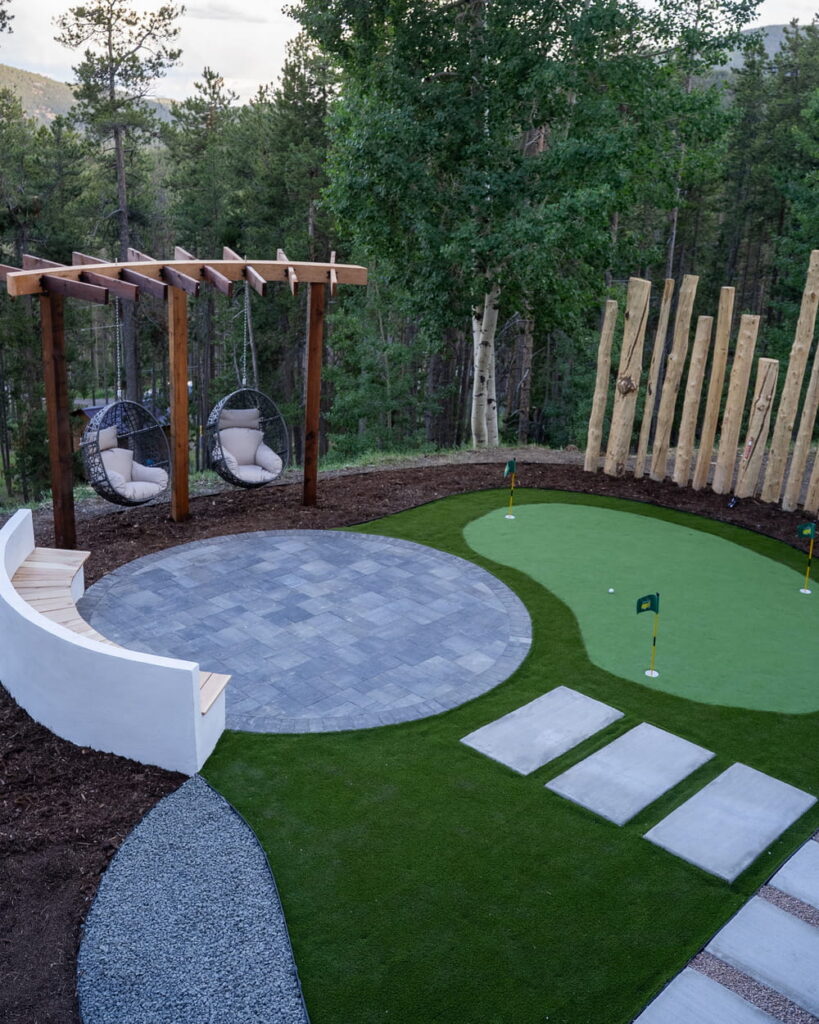
A beautiful outdoor space rarely comes together overnight. Many Colorado homeowners start with a vision for a new patio, retaining wall, lawn, or outdoor living area, only to discover that the process involves far more planning than expected. There are design decisions, permitting requirements, weather considerations, and seasonal planting schedules.
There is no definite answer to how long it takes to complete new landscape construction. But understanding the landscape construction timeline can help eliminate surprises and keep your project moving forward.
Since 1999, Westside Grounds has helped homeowners and commercial property owners throughout the Denver metro area plan and complete landscape construction projects efficiently and professionally. With experienced crews, careful project planning, and a commitment to quality workmanship, we help clients turn their outdoor vision into reality while keeping the construction process as smooth as possible.
Contact us now for a free quote.
How Long Does a Landscape Construction Project Usually Take in Colorado?
There is no one-size-fits-all answer. Some landscape construction projects can be completed in less than a week, while larger projects may take several weeks or even a few months from the initial consultation to the final walkthrough.
The landscape construction timeline depends on several factors, including the following:
- Property size,
- Complexity of the design,
- Permit requirements,
- Material availability,
- Weather conditions, and
- The number of features included.
In general, smaller projects such as sod installation, mulch application, or basic planting projects may be completed in a matter of days. Mid-sized projects involving features such as patios, irrigation systems, landscape beds, or fencing often take several weeks from planning to completion.
Large-scale landscape construction projects that include grading, retaining walls, multiple hardscape features, outdoor living spaces, and extensive planting may take several months, particularly if permits, custom materials, or complex site conditions are involved.
While every project is unique, understanding what happens during each stage of the process can help you plan and set realistic expectations before construction begins.
Design and Proposal Phase
The design phase is where your goals, budget, and property conditions are evaluated. During this stage, your contractor reviews drainage concerns, elevation changes, existing landscape features, irrigation needs, and desired improvements.
Projects that require detailed designs, multiple revisions, or extensive material selections often take longer to finalize than smaller projects.
Permitting and Approvals
Not every project requires permits, but those that do can add time to the schedule. Municipal review periods vary across Colorado communities.
For example, requirements in Denver may differ from those in Lakewood. Homeowners’ associations may also require design approvals before work can begin.
Material Ordering and Scheduling
Once the proposal is approved and a deposit is received, the contractor orders materials and schedules the construction.
Custom pavers, specialty stone, decorative fencing, and certain plant materials can increase lead times. Spring and early summer are often the busiest seasons for landscaping contractors throughout Colorado, which can also affect scheduling availability.
Construction and Installation
The actual construction phase varies significantly depending on the project’s scope.
A small patio installation may be completed within a week. A complete backyard renovation involving retaining walls, irrigation systems, concrete work, sod installation, and planting may require several weeks of coordinated work.
Weather remains one of the most significant variables at this stage. Colorado’s spring snowstorms and summer thunderstorms can occasionally delay excavation, grading, and concrete installation.
Final Walkthrough and Project Closeout
The final stage includes cleanup, irrigation testing, punch-list items, and a walkthrough with the property owner.
This allows for any final adjustments before the project is officially closed out.
What Is the Typical Order of Work During a Landscape Construction Process?
Most landscape construction projects follow a similar sequence. While every property is different, completing work in the proper order helps prevent delays, protects completed features, and creates a smoother construction experience.
- Site preparation and demolition. Removal of existing landscape features, vegetation, sod, or hardscape materials to prepare the property for construction.
- Grading and drainage corrections. The site is shaped to promote proper drainage and create a stable foundation for future improvements.
- Retaining walls and structural features. Walls, steps, and other structural elements are often installed early because they affect the layout of the rest of the project.
- Hardscape installation. Patios, walkways, fire pits, concrete surfaces, decks, and other hardscape features are constructed.
- Irrigation installation. Sprinkler systems, drip irrigation, and other watering components are installed before planting begins.
- Planting, sod, and mulch installation. Trees, shrubs, sod, garden beds, mulch, and decorative landscape materials are added to complete the space.
- Final cleanup and walkthrough. The contractor reviews the completed project, addresses any final details, and provides maintenance recommendations.
Understanding this sequence can help you anticipate what will happen next as your project progresses. While the exact scope and timeline may vary, most successful landscape construction projects follow these same general steps to ensure quality results and long-term performance.
FAQs
What Happens During the Design and Proposal Phase of a Landscape Construction Project?
The design and proposal phase establishes the roadmap for the entire project.
A landscape professional evaluates the property, discusses your goals, identifies site challenges, and develops recommendations based on your budget and priorities. The resulting proposal typically outlines materials, construction phases, project costs, and estimated timelines.
This phase is also when you can make adjustments before construction begins, making it one of the most important stages of the project.
Do Landscape Construction Projects Require Permits in Colorado?
Some projects require permits, while others do not.
Larger retaining walls, deck construction, major grading projects, drainage modifications, electrical installations, and certain structural improvements may necessitate a permit.
Requirements vary by municipality. Cities throughout the Denver metro area maintain their own permit regulations, and homeowner associations may impose additional approval requirements.
An experienced contractor can help identify permit requirements early in the planning process, reducing delays later.
How Do Seasons and Planting Windows Affect Landscape Construction Timelines in Colorado?
Colorado’s climate can significantly impact scheduling.
Spring is one of the busiest landscaping seasons because many homeowners want projects completed before summer. However, spring weather can be unpredictable, with snowstorms occasionally affecting construction schedules.
Summer generally offers favorable construction conditions, though high temperatures can add additional stress to newly installed plants and sod.
Fall is often considered one of the best planting seasons in Colorado. Cooler temperatures and more moderate conditions allow trees, shrubs, and turf to establish healthy root systems before winter.
Winter is frequently used for project planning, design development, permit preparation, and material selection. Homeowners who begin planning during the winter often secure earlier construction dates once spring arrives.
Partner with Westside Grounds for Your Colorado Landscape Project
A successful landscape project requires careful planning, proper sequencing, local knowledge, and attention to Colorado’s unique climate conditions. Every step plays an important role in the overall landscape construction process. Working with an experienced contractor helps reduce delays and ensures the proper completion of each phase.
Our service standards include specialized crews, professional, uniformed personnel, responsive customer service, regularly maintained equipment, and ongoing quality-control reporting.
At Westside Grounds, we can help bring your vision to life. Contact us today for a free quote.
Legal References Used to Inform This Page
To ensure the accuracy and clarity of this page, we referenced official legal and other resources during the content development process: