
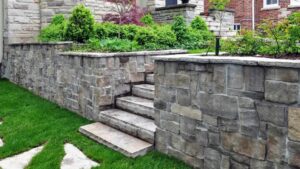
A sloped yard can feel like a constant compromise. You may avoid certain areas because they are difficult to walk on, the soil washes away after storms, or nothing you install stays level for long. These issues are common across Parker, especially on properties with elevation changes, but they are also fixable with the right approach.
A retaining wall contractor in Parker can change how your property functions from the ground up. Westside Grounds brings over 25 years of experience serving Colorado properties, helping homeowners turn uneven, hard-to-use spaces into structured, usable areas through carefully planned retaining wall solutions. With a focus on long-term performance, our team builds walls that support both the land and how you want to use it.
What Is the Purpose of a Retaining Wall?
A retaining wall holds soil in place where there is an elevation change. Without that support, gravity and water movement can gradually shift soil downhill, leading to erosion, instability, and uneven surfaces.
Beyond basic support, retaining walls play a larger role in shaping a property’s overall function. They allow you to create level areas on sloped ground, making space for patios, lawns, walkways, or planting beds that would otherwise be difficult to maintain. They also help manage water by directing runoff in a controlled manner rather than allowing it to collect or flow unpredictably.
In many cases, a retaining wall becomes a structural part of the landscape.
When Should I Consider a Retaining Wall Installation in Parker?
Certain landscape conditions often indicate the need for structural support. Recognizing these early can help prevent ongoing issues and make better use of your property. Look for:
- Water collecting where it shouldn’t. Poor drainage can cause water to pool near foundations, patios, or walkways, leading to damage or usability issues. A retaining wall can redirect water flow, helping move it away from areas where it creates problems.
- Soil erosion after rain or snowmelt. When soil begins to move downhill, it often leads to thinning grass, exposed roots, or uneven ground over time. A retaining wall helps hold that soil in place, reducing ongoing erosion and protecting the landscape’s structure.
- Noticeable slope across the yard. If parts of your property feel difficult to walk on or use, that usually means the grade is limiting how the space functions. A retaining wall can break that slope into level sections, making the area safer and easier to use for everyday activities.
- Unstable planting areas. Garden beds built on slopes tend to shift, which makes it difficult to keep plants in place or maintain a clean layout. Adding a retaining wall creates a defined, level area that supports consistent planting and easier upkeep.
- Limited space for outdoor features. Sloped terrain can make it difficult to install patios, seating areas, or other outdoor elements without extensive adjustments. A retaining wall allows you to carve out flat, usable sections to add those features.
In many cases, these conditions are not isolated issues—they are connected to how the property was originally graded and how water and soil interact over time. A retaining wall installation in Parker addresses those underlying factors, allowing the landscape to function more stably and predictably.
What Materials Are Commonly Used for Retaining Wall Construction in Parker?
Material selection affects both the performance and appearance of a retaining wall. Colorado’s climate, with its freeze-thaw cycles and shifting moisture levels, makes it important to choose materials that can handle long-term exposure.
Materials can include:
- Concrete block,
- Natural stone, and
- Segmental retaining wall systems.
The right material depends on factors such as wall height, soil conditions, drainage needs, and the intended use of the space. A professional evaluation helps ensure the selection fits both the structure and the environment.
FAQs
Are Retaining Walls in Parker Expensive?
Costs vary depending on several key factors, rather than a single fixed price, such as:
- Wall height and length. Larger walls require more materials and structural support, which increases overall cost.
- Site preparation. Sloped or difficult terrain may require additional excavation and grading before construction begins.
- Material choice. Some materials, like natural stone, typically involve higher material and labor costs compared to standard concrete systems.
- Drainage and reinforcement. Proper drainage systems and reinforcements are essential for long-term stability and can affect the total investment.
A detailed quote provides a clearer picture by accounting for all of these variables.
Can a Retaining Wall Help with Slope and Drainage Issues?
Yes, and in many cases, that is one of the primary reasons to install one.
A retaining wall helps reshape the land by holding soil in place and creating defined elevation changes. The result is water that can be redirected more effectively, reducing the risk of pooling or erosion. When combined with proper drainage elements, such as gravel backfill or drainage pipes, the wall becomes part of a broader system that manages water across the property.
How Long Does It Take to Build a Retaining Wall?
The timeframe for building a retaining wall depends on the complexity of the project from the ground up, including:
- Project size and design. Short, decorative walls can be installed quickly, while taller or structural walls require more time due to additional layers of support and planning.
- Excavation and base work. Preparing the ground properly is one of the most time-intensive parts, especially if the soil needs reshaping or stabilization before construction begins.
- Drainage integration. Installing the right drainage system is essential and takes additional time, but it plays a major role in how the wall performs over the long term.
- Site conditions and access. Limited access, rocky soil, or weather interruptions can all affect how efficiently work can be completed.
A well-executed process at each stage helps prevent issues that could require repairs or adjustments later.
What Are the Benefits of a Retaining Wall?
A retaining wall influences how the entire landscape performs over time. When designed correctly, it addresses underlying conditions rather than just improving appearance. Benefits include:
- Improved spatial efficiency. A retaining wall reorganizes elevation, allowing the space to be used more practically and intentionally.
- Stabilized soil. A retaining wall provides resistance to soil shifting, helping maintain the integrity of the surrounding landscape.
- Regulated water flow. When working with drainage elements, a retaining wall helps guide water in a controlled, predictable direction.
- Long-term landscape structure. A retaining wall establishes clear boundaries that help preserve the landscape’s layout and reduce the need for ongoing corrections.
These benefits work together to create a landscape that is not only more usable but also more stable and easier to manage over the long term.
Get the Right Retaining Wall Builder in Parker. Contact Westside Grounds
A retaining wall should do more than solve a short-term issue. It should be long-lasting, fit the layout of your property, and support the use of the space moving forward.
Westside Grounds has been serving Colorado since 1999, providing landscape construction services backed by experienced crews, professional equipment, and a strong commitment to quality. Our team focuses on clear communication, reliable scheduling, and ensuring each project is built on the right foundation from the start.
Contact a retaining wall contractor in Parker at Westside Grounds today to request a free quote and take the first step toward a more functional landscape.
Legal References Used to Inform This Page
To ensure the accuracy and clarity of this page, we referenced official legal and other resources during the content development process: